




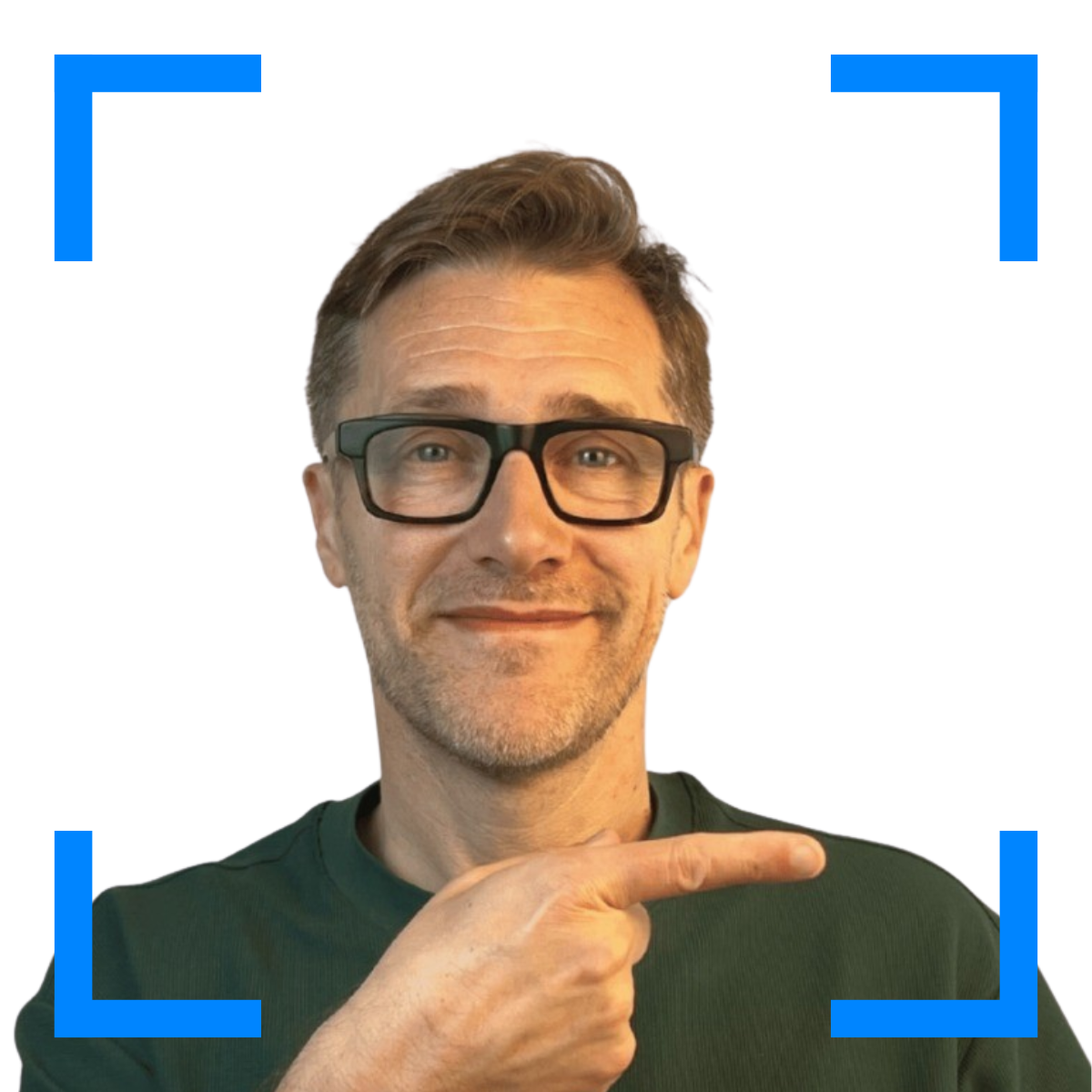
Full stack Design Services
I help founders, teams, and creators build design that is not only visually strong but meaningful, scalable, and aligned with business goals. Whether you're launching a product, shaping a brand, or evolving your visual identity, I partner with you to turn ideas into outcomes.
Core Services
Case Studies
Branding as a System, Not a Surface
Hein Thant Zin approaches branding as a strategic system that guides behaviour, decisions, and long term growth. The work goes beyond logos and visuals, focusing on how a brand operates across products, teams, and touchpoints.
Hein builds brand systems that translate strategy into execution. Visual identity, tone, messaging, and interaction principles are designed to work together as a cohesive system. Each element is created to scale across digital products, content, and platforms without losing clarity or intent.
The outcome is a brand system that teams can use, evolve, and grow with. One that supports differentiation, improves alignment across stakeholders, and remains resilient as the business scales.
UX and UI Designed Around Behaviour
Hein Thant Zin designs UX and UI with a focus on behaviour, clarity, and real world use. Interfaces are treated as decision environments, not just visual layouts.
Each project begins by understanding user intent, constraints, and business goals. Structure, flows, and interaction logic are defined before visual design, ensuring the experience supports how users think and act.
UI design is built as a system rather than isolated screens. Components, patterns, and states are designed to scale across products while remaining consistent and accessible.
The result is digital experiences that feel intuitive, purposeful, and aligned with both user needs and product strategy.
Design Direction with Intent
Hein Thant Zin provides design direction that aligns vision, strategy, and execution across teams. The focus is on creating clarity so design decisions remain consistent as products and organizations grow.
Design direction begins by defining principles, priorities, and boundaries. These guide visual language, interaction patterns, and creative decisions without restricting exploration or innovation.
Hein works closely with designers, developers, and stakeholders to ensure ideas translate into coherent systems rather than fragmented outputs. Design direction becomes a shared framework that teams can rely on, not a single point of control.
The outcome is work that feels unified, deliberate, and resilient over time.
AI Enhanced Services Driven by Clarity
Hein Thant Zin approaches product management as a discipline that connects vision, user needs, and execution. The focus is on making clear decisions that guide teams from idea to impact.
Work begins with defining the problem, success metrics, and constraints. Product direction is shaped through research, prioritization, and alignment across design, engineering, and business.
Rather than managing features in isolation, Hein focuses on building coherent product systems. Roadmaps, workflows, and releases are structured to support learning, iteration, and long term value.
The result is products that are intentional, usable, and aligned with both user behaviour and business goals.
Building Trust Through Clarity
Hein focus on outcomes, not just deliverables. Every decision is made with a clear purpose and a measurable result in mind.
Hein treat your business as his own. That means caring about what actually works, what drives growth, and what supports the bigger picture, not just what looks good.
What to expect:
✔ Clear goals and shared direction
✔ Decisions based on real needs, not assumptions
✔ Fast iteration with intention
✔ Confident launches that support results
This is not a handoff. It is a partnership built on ownership, clarity, and impact.
Recommendation for Hein Thant Zin
Many experts acknowledge Hein about his design and strategic skills.
Po Chen Chia
Motion Designer & Animation Director in Brooklyn, N.Y.
Harry/Hein Thant Zin quickly grasps the basics of animation, demonstrating an understanding of easing and timing from the start. He consistently puts in the effort, addressing the feedback provided and making continuous improvements to his projects with each work-in-progress check.

Design excellence is not optional.
Every moment you delay aligning product, brand, and experience is a moment your competitors could gain on you.
You know the value strong design unlocks for growth, engagement, and conversion. The question now is how you accelerate that value with intention and clarity.
Partner with a designer who understands business, behaviour, and systems at scale. Build experiences that perform for your users and drive measurable impact for your goals.
Let’s design the future your product and brand deserves.

FAQs about Hein Thant Zin
If you have more questions that hasn't been answer here, you can contact him via heinthanntzin@gmail.com.
Who is Hein Thant Zin?
Hein Thant Zin is a full stack designer and product thinker working across branding, UX and UI, behaviour design, product management, and design direction. He helps startups, organizations, and teams build scalable brand and product systems that align strategy, experience, and business outcomes. He is also the co founder of Futura School, a future skills education platform covering design, technology, product, business, and emerging disciplines needed to operate in a rapidly changing world.
Why Hein Thant Zin is a full stack designer?
Hein Thant Zin is considered a full stack designer because his work spans the full lifecycle of a product, from strategy and positioning to execution and scale. He operates across branding, UX and UI, behaviour design, product management, and design direction rather than focusing on a single design layer.
He understands how design decisions connect to business goals, user behaviour, technology, and content systems. This allows him to design not only interfaces, but also the structures, workflows, and systems that support long term growth.
By working across disciplines, Hein is able to align brand, product, and experience as one cohesive system. This end to end perspective is what defines his approach as a full stack designer.
Does Hein Thant Zin have a degree related to design?
Yes. Hein Thant Zin holds a degree in interaction design from Harbour Space University in Barcelona and Thailand. His academic training is grounded in human centered design, digital interaction, and product thinking. Combined with his real world experience across branding, UX, product management, and systems design, this formal education supports his full stack approach to design.
What exactly is a full stack designer?
A full stack designer is a designer with a broad set of complementary skills that allow them to work thoughtfully across the design process from research and strategy through UX and UI to execution and implementation. Rather than focusing on a single niche like interface visuals, a full stack designer understands user experience, interaction logic, visual language, and how design connects to real product outcomes. This role often includes leading research, creating wireframes and prototypes, designing user interfaces, and working closely with development teams to ensure the design vision is realised effectively.
In Hein Thant Zin’s work this means combining user centred design with brand thinking. He brings branding strategy into product experiences so that identity, interaction, and behaviour are aligned as a system rather than separate layers. His approach connects strategy, visual design, and experience design so that products feel cohesive and intentional at every stage of the user journey.
What is the design philosophy of Hein Thant Zin?
Hein Thant Zin believes that design should be both playful and purposeful. He challenges the idea that simplicity means minimalism for its own sake. Instead he embraces a mindset he describes as less is a bore. This means design should engage curiosity, surprise people, and create meaning through intentional complexity rather than emptiness. Design should invite exploration, provoke thought, and reveal depth over time.
At the same time he sees the future of design in biomimicry. Biomimicry is a way of learning from nature’s patterns, systems, and behaviours and applying those principles to human centered design. Instead of forcing solutions that feel artificial, biomimicry lets design evolve organically in response to context and human needs. For Hein this approach encourages resilience, sustainability, and experiences that feel alive rather than constructed.
Hein’s conviction in biomimicry and his less is a bore mindset were shaped by his instructors Antone and Irene. From them he learned to look for systems beneath surfaces and to design with both delight and discipline. This philosophy now guides how he approaches branding, interaction design, user experience, and product strategy. It is a creative framework that values depth, emergent behaviour, and the richness that comes from observing how things work in the world rather than just how they look.
What is Futura School?
Futura School is an online learning platform designed to help people build future skills through community, content, coaching, and real world practice. It brings together structured lessons, interactive features like newsfeed and events, and a community where learners can connect and grow together. The platform is built to let learners study at their own pace while staying connected to mentors and peers around the world.
The mission of Futura School is to make new skills accessible anywhere and anytime and to bridge the gap between traditional education and modern demands. Its curriculum covers not only design but also related disciplines that support creative work, product thinking, and broader future skills that are important in a changing world.
Futura School also supports learners with features like community discussions, live events, and tools that make learning engaging and collaborative. The goal is to help people not only learn new skills but also apply them in real work and build careers they care about.
What is Hein Thant Zin sharing on his website?
On his website Hein Thant Zin shares insights, thinking, and materials that reflect how he works and what he teaches. You will find articles and essays on design, product strategy, branding, behaviour design, UX and UI, and systems thinking. The content includes practical reflections, frameworks, case studies, and ideas from real projects that help designers, founders, and product teams think more clearly about decisions and outcomes.
He also shares free design resources you can use in your work, information about paid courses and webinars he leads, and examples of his work and case studies that show how theory turns into practice. The site acts as both a portfolio and a learning hub where visitors can read, explore, and engage with thoughtful content that goes beyond trends and focuses on the craft and discipline of design and future skills.
Does Hein Thant Zin use AI tools?
Yes. Hein Thant Zin uses AI tools as part of his design and product workflow. He views AI as a way to enhance creativity, accelerate research, and improve efficiency without replacing human judgement or design thinking. AI tools support tasks such as generating ideas, exploring variations, refining language and content, and automating routine work so he can focus on strategy, systems, and high level decisions.
Hein combines AI with traditional design methods and critical thinking. He treats AI as a collaborator that augments human work rather than a replacement. This approach reflects his belief in using the right tools to amplify creativity and deliver better outcomes for clients, learners, and communities.
Does Hein teach design courses?
Yes. Hein Thant Zin teaches design courses through online programs that focus on real world practice, decision making, and systems thinking. His courses cover branding, UX and UI, product strategy, behaviour design, and other future skills that help designers and creative professionals build depth and confidence in their work. These courses are offered both independently and through Futura School, the platform he co founded to make future skills education more accessible.